Essay

The whole street is grilling, and you sit down too

Experience Taiwan's Vibrant Culture at Moon Festival 2026

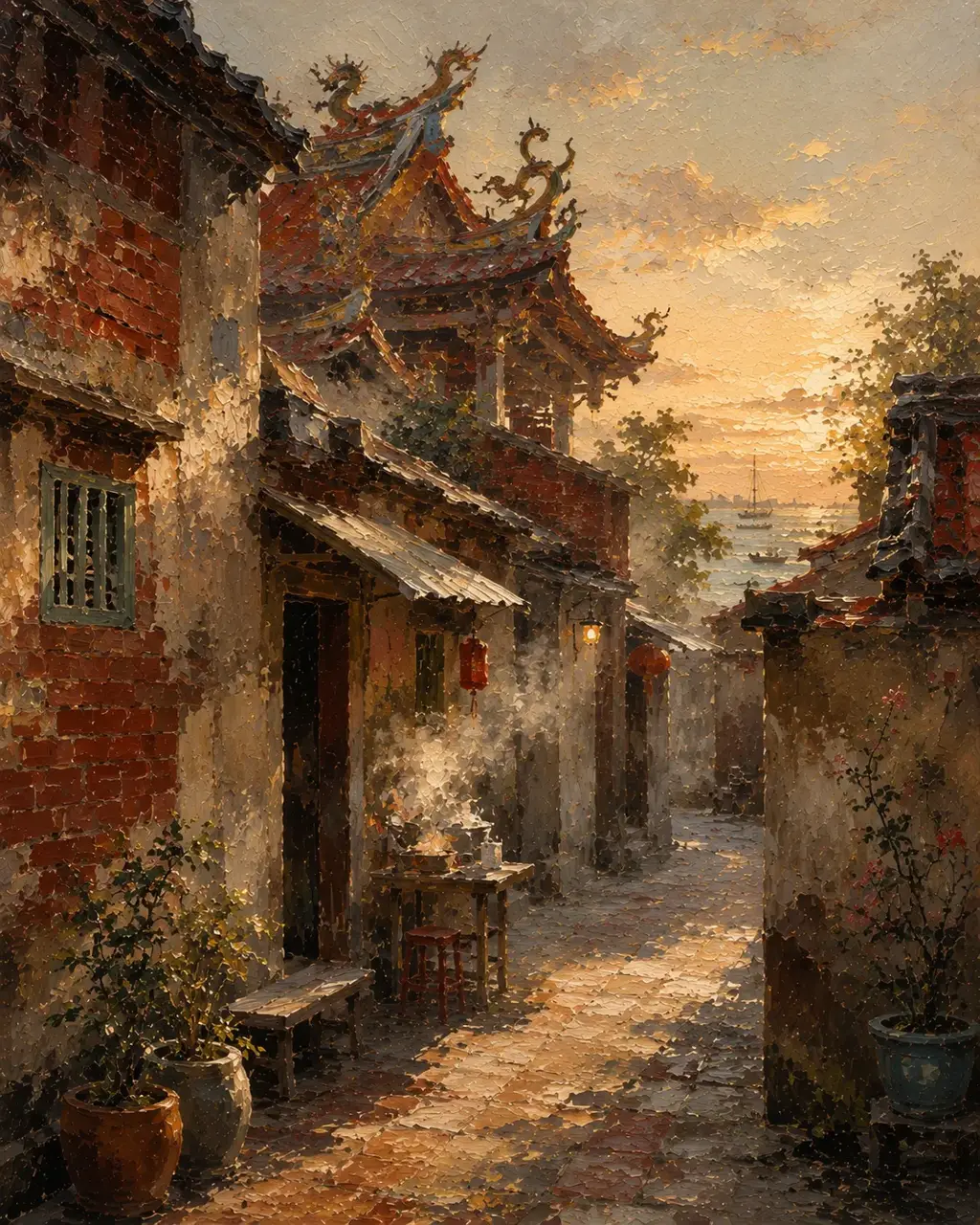
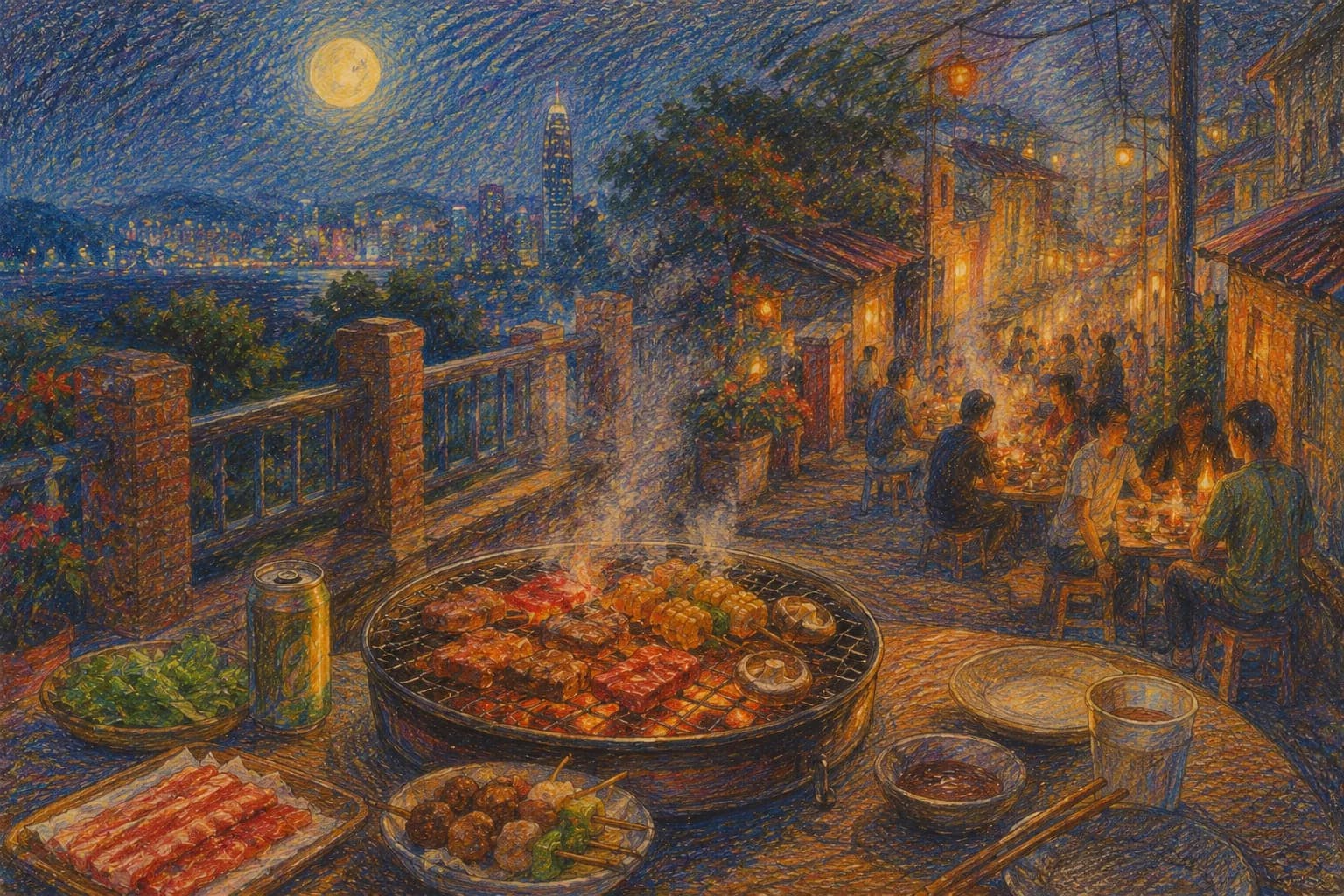
The charcoal smell comes first, still in the alley. Round the corner, it is not one household but the whole street — every family has hauled its grill out under the eaves, neighbours dropping in on neighbours, adults turning meat and drinking beer, children chasing among the stalls, fat dripping onto the coals with a hiss and a small spurt of smoke. That year was a Mid-Autumn brought home with my mother — she has lived alone these years, and I had rarely cleared the time to spend it with her properly. Someone in the neighbourhood looked up and called "come eat with us"; Mum answered first with a smile, pulling us down to sit, and just like that, into a Taiwanese Mid-Autumn night.

It is a funny thing: Taiwan's Mid-Autumn barbecue is no ancient tradition at all, but a nationwide craze set off by a barbecue-sauce ad in the 1980s, and it never stopped, so that by now it feels more like the festival than the moon does. But the moon's story is far older: Chang'e flying to the moon, the jade rabbit pounding medicine in the lunar palace, a tale the Chinese have told for thousands of years. An ancient festival of reunion and longing, in today's Taiwan, has become a street of charcoal and beer — not grown shallower, only finding another way to gather people back together.

The moon is the true lead of the night, only too easily upstaged by the grill. The late-September moon is bright, bright enough that one hardly needs other light. Some Taiwanese households still keep the habit of setting out offerings in the yard, eating mooncake and pomelo while watching the moon — not formal, just sitting, glancing up now and then, a small way of letting the moon know one is still here. In that "letting it know" there is a very Taiwanese lightness — not solemn, yet not insincere.

At the table that took us in was a grandmother forever busy peeling pomelo, who, done, plopped the white rind onto a nearby child's head as a hat, to the whole table's laughter. My mum laughed along — and only then did I notice she had aged a little more than I remembered, the lines at her eyes clear in the charcoal light. Usually a woman of few words, that night she talked a long while with the strangers at the table, about how hard I was to raise as a child; things heard many times yet long unheard from her, coming back line by line amid the pomelo scent and grill smoke.

Leaving that street, the charcoal smell still on our clothes, the moon already risen high. Walking Mum home slowly, her steps slower than before, mine slowing to match. Nothing special happened, only everything just right — the just-right cool, the just-right brightness, a whole table of strangers who kept us company so that a Mid-Autumn that might have been just the two of us turned lively and warm.

That moon will be seen again every year. But I think you too will be like me: after many Mid-Autumns, what you remember in particular is this one, with your mother beside you — remembering the lines at her eyes when she laughed, the pomelo-rind hat, and how one strange street, in a single night, turned the loneliness of two into the warmth of a tableful.

Essay