Osaka: one dip only in the kushikatsu sauce
When Daruma opened in Shinsekai in 1929, it sold only beef and potato skewers, at one sen each.
In Osaka, kushikatsu is most closely tied to Shinsekai, the old neighbourhood around Tsutenkaku tower, south of Dotonbori. Skewers of pork, lotus root and quail egg are battered, deep-fried and dipped in a thin sauce. The sauce sits in a shared steel tray, so the rule, posted on the wall in many shops, is no double dipping.
Daruma, whose head shop is in Shinsekai, dates itself to 1929, when it opened there as Takobishi selling only beef and potato skewers at one sen each. The free raw cabbage came in with the second generation, both to cut the grease and to scoop extra sauce from the tray, so nothing already bitten goes back in.
A takoyaki pan is a sheet of iron with rows of half-round hollows. Batter goes in, a piece of octopus is dropped into each hollow, and every ball is turned with a thin metal pick. Okonomiyaki is cooked on a hotplate set into the table and flipped with two spatulas. After dark every sign on Dotonbori is lit and tour boats run along the canal.
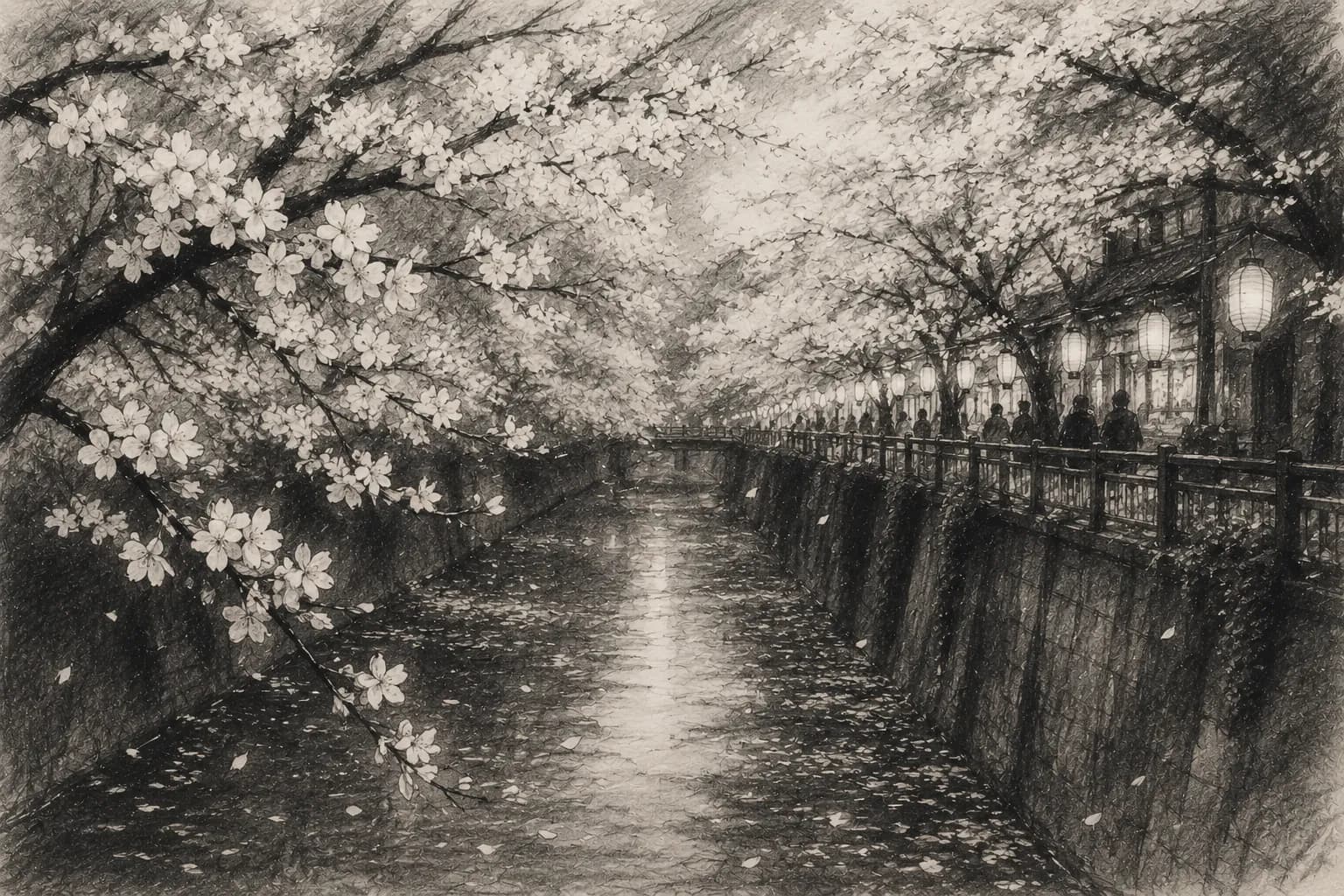
Dotonbori is a canal, and the signs on both banks are stacked from the waterline to the rooftops: the Glico running man, a giant mechanical crab, rows of lit izakaya boards. Ebisu Bridge is usually packed with people taking photos. North of the canal the covered Shinsaibashi-suji arcade runs on and on, and the side lanes narrow the further in they go.
Osaka Castle is to the east. Its walls are built from enormous stones, some several times the height of a person, and the moat runs right up to their base.
Festivals in the same city
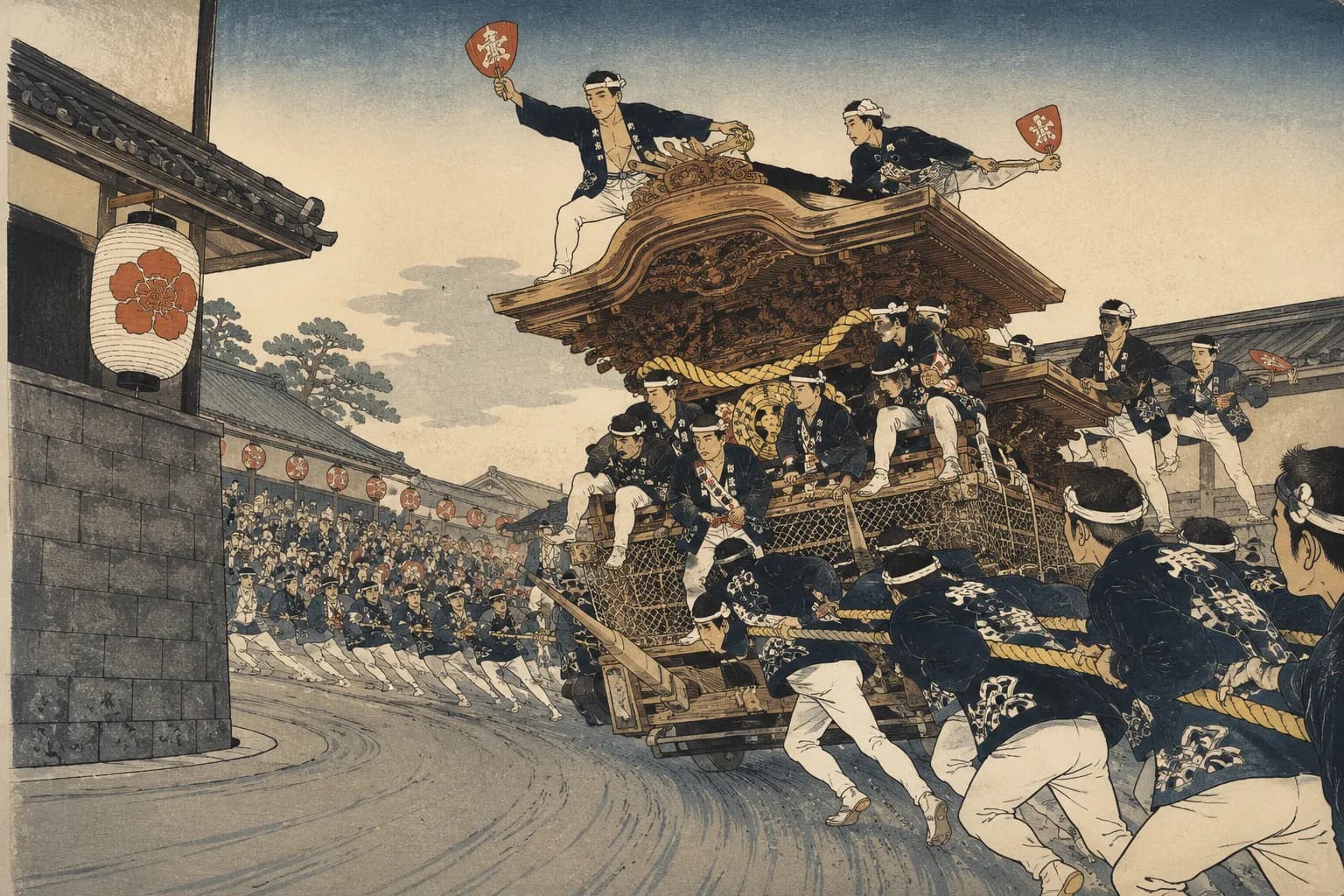
Kishiwada Danjiri Matsuri 2027: multi-ton wooden floats cornering at full speed, est. 18–19 September
Full guide: dates, getting there and what you can book →
Tickets and transport you can book
These are affiliate links: if you book through them, VoucherData may earn a commission. You pay the same price.
Kansai
JR Kansai Wide Area Pass
Five days of unlimited JR West rides across Kansai, reaching Kansai Airport, Nara, Himeji and Okayama. If you stay within Kyoto and Osaka you may not need it. Non-Japanese passport holders on temporary-visitor status only.
See plansKansai Airport, Osaka
JR Haruka Kansai Airport Express
Direct from Kansai Airport to Osaka and Kyoto, with QR e-tickets at the gates. Only for non-Japanese passport holders entering as temporary visitors.
See plansAcross Japan
byFood Japan food experiences
Japanese cooking classes, market walks and restaurant bookings.
Book with byFoodJapan eSIM (Softbank 5G / Docomo 4G)
Runs on Softbank or Docomo in Japan; install by QR code, unlimited-data plans with a choice of days.
See plans
Sources