Raja Ampat: limestone islands undercut by the sea
The gateway to Raja Ampat is Sorong, on the western tip of New Guinea, and boats run from there to Waisai on Waigeo.
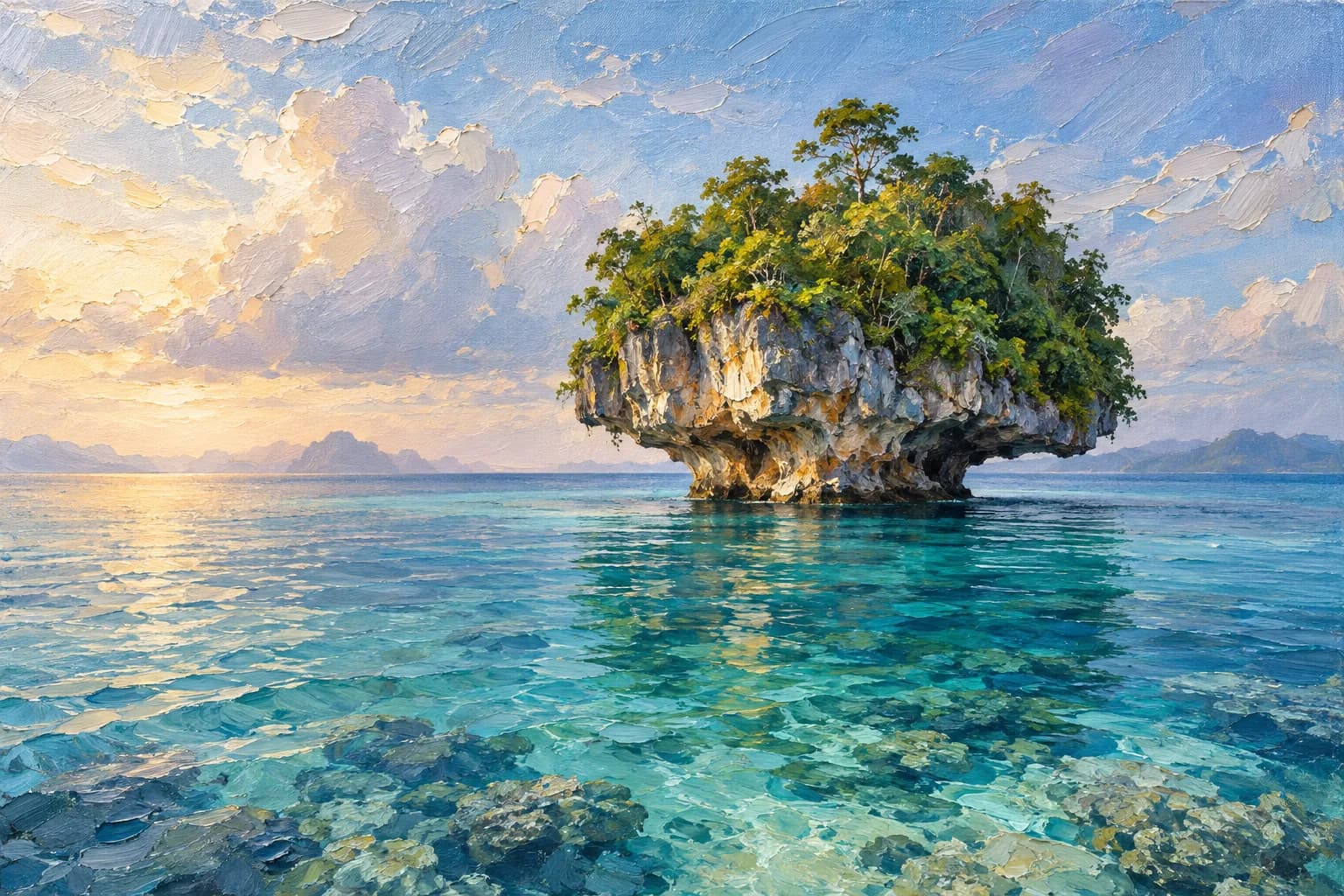
Most of the islands of Raja Ampat are limestone, undercut at the waterline by the sea and thickly wooded on top. Over the reefs the water is clear enough to show the shapes of the coral and the sand between them from the surface. A 2011 report by The Nature Conservancy puts the number of coral species confirmed here at 574, about three-quarters of all those known.
The archipelago, in Indonesia's Southwest Papua province, is more than 1,500 islands, cays and reefs scattered around four large islands: Waigeo, Batanta, Salawati and Misool. The gateway is Sorong, on the western tip of New Guinea, and boats run from there to Waisai on Waigeo.
Wayag and Piaynemo are the two places most people know from photographs. Piaynemo, in the Fam Islands west of Waigeo, has a wooden staircase up to a lookout over a cluster of rounded karst islets with green channels running between them. Wayag, at the far northwestern end of the archipelago, is further out, and its islets stand closer together.
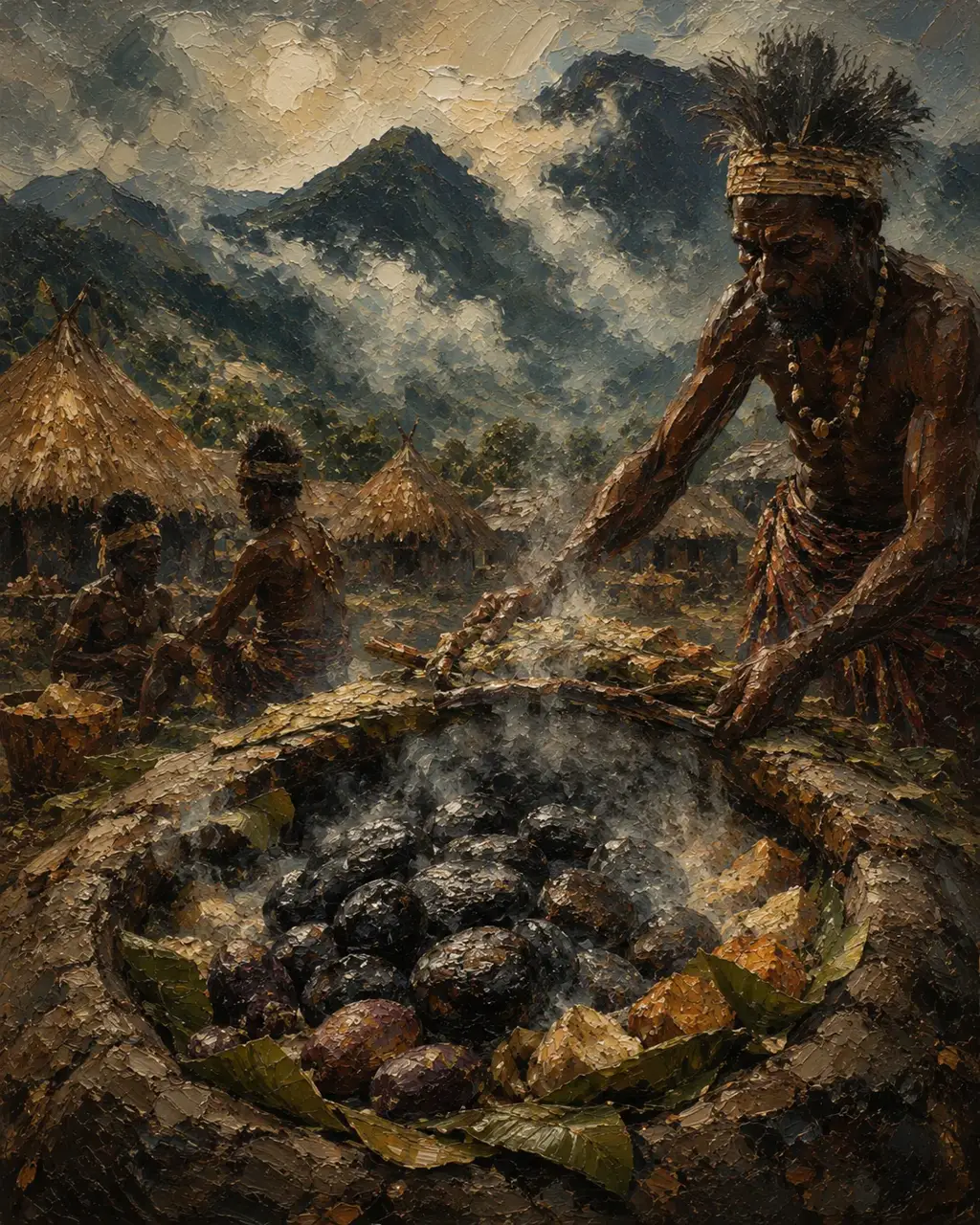
The Papuan staple is papeda, a thick, glossy porridge made from sago starch and eaten with a yellow fish soup. Of the handmade things sold in the villages, the most common is the noken, a netted bag knotted from bark fibre.
Sources