Japan Season
Japan autumn leaves 2026: Kyoto and Tokyo peak mid-November to early December, Nikko earlier
At a glance
- Best time
- Kyoto and Tokyo around mid-November to early December; Nikko earlier
- Where
- Temples and parks in Kyoto, Nikko and Tokyo
- Getting there
- Tobu Railway from Asakusa, Tokyo, to Nikko, about two hours
- Cost
- Not listed
- Limits
- Not listed
Dates last checked: 14 October 2026
The season
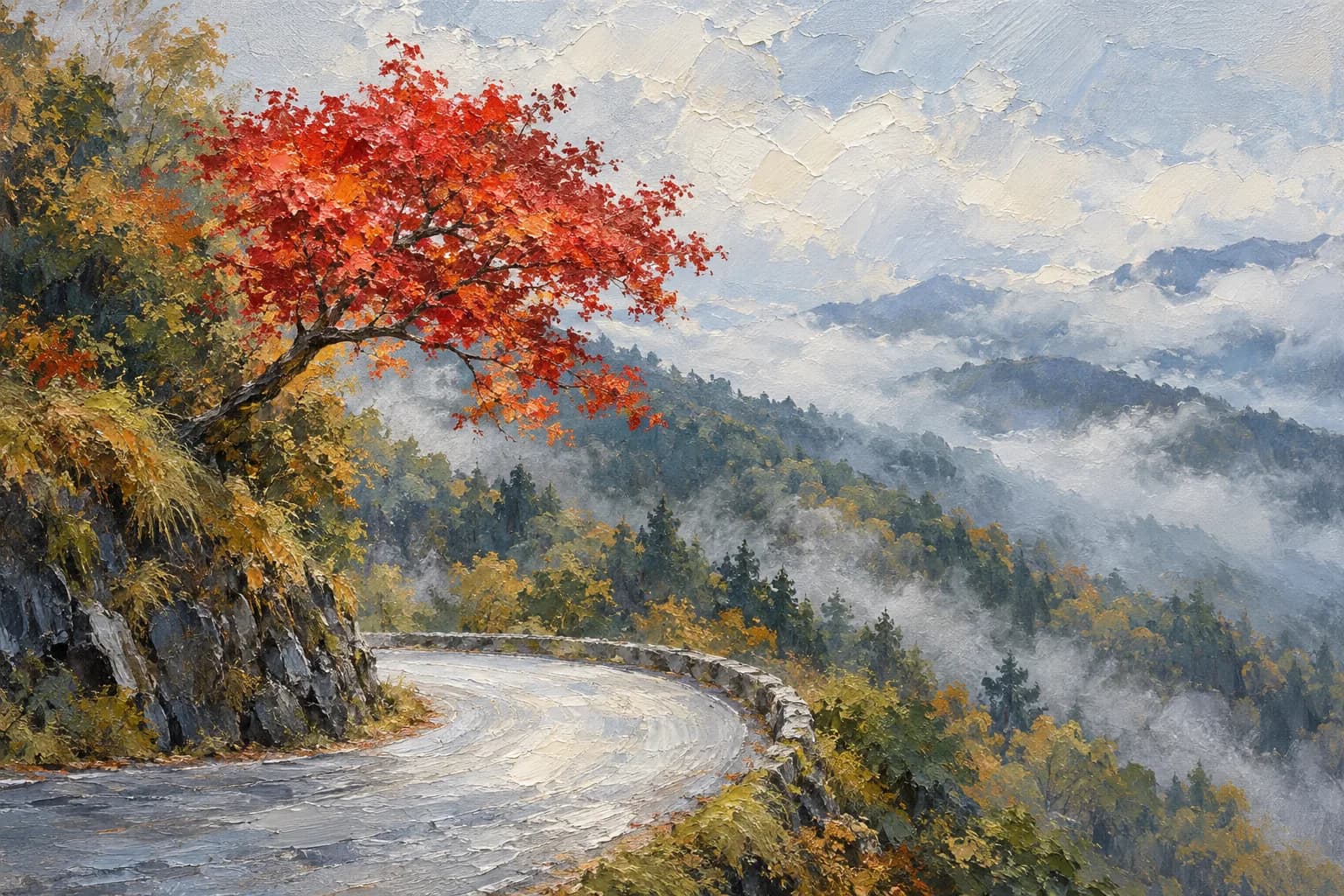
Nikko's leaves turn about a month before Kyoto's
The Japanese forecaster Weathernews issued its second autumn-colour forecast on 8 October 2026: peak colour on Nikko's Irohazaka road from about 23 October, and in Kyoto's Arashiyama from about 24 November. A warm autumn has stalled the colour, so places that normally turn after late October are expected to peak slightly later than usual this year.
The Nikko City Tourism Association's autumn-leaves page notes that altitude varies so much across the city that some part of it is in colour from early September to late November. The same page warns that Nikko is very crowded every year in the leaf season.
Kyoto City's official tourism site, Kyoto Sightseeing Navi, runs an autumn-leaves page that updates the colour spot by spot, including Arashiyama and Tofuku-ji. In Arashiyama, the walk from the bamboo grove to Togetsukyo Bridge along the Katsura River puts temples, bamboo and maples in one area.
Booking
These are affiliate links: if you book through them, VoucherData may earn a commission. You pay the same price.
Prices and ratings checked 13 Oct 2026
Tickets and tours
Kyoto
Kyoto small-group day tour: Kibune, Nanzen-ji/Eikando, Sanzen-in & Eizan Railway
Departs Osaka or Kyoto, about 10–11 hours with a driver-guide. Foliage spots in northern Kyoto and Higashiyama in one day, for travelers short on time who would rather not change trains.
from NT$1,764
See prices
Mobile data
Japan eSIM (Softbank 5G / Docomo 4G)
Runs on Softbank or Docomo in Japan; install by QR code, unlimited-data plans with a choice of days.
See plans
Details
Timing shifts every year, so book a room you can cancel free and pick the day from each area's leaf reports. For 2026, peak colour is forecast from about 23 October on Nikko's Irohazaka and about 24 November in Kyoto's Arashiyama.
The autumn-colour front and forecasts
Japan's autumn leaves have no fixed date. The autumn-colour front (koyo zensen in Japanese) starts in Hokkaido in late September and moves south and downhill, earlier in the north and later in the south.
Private weather companies publish nationwide forecasts every autumn and update them several times; Weathernews scheduled its third 2026 forecast for late October. Kyoto Sightseeing Navi and Nikko's official tourism site also update the colour at each spot.
When Kyoto, Tokyo and Nikko turn
Central Kyoto and Tokyo usually turn from mid-November to early December. In Nikko it depends on altitude: Lake Chuzenji from about mid-October to early November, and the Toshogu shrine area below it from about early to mid-November.
The weather moves these dates every year. Use the range to set your booking window, then use the leaf reports to choose which day to head into the hills or visit a temple. Rooms with free cancellation make that easier.
Where to go: Kyoto, Nikko, Tokyo
Kyoto's Arashiyama and Tofuku-ji are well known and busy on peak weekends. In Arashiyama, the walk from the bamboo grove to Togetsukyo Bridge puts temples, bamboo, an old bridge and maples in one area.
Nikko's Toshogu area is part of the Shrines and Temples of Nikko World Heritage site, so you can see the leaves and the shrine buildings together. Tokyo has Ueno Park and Meiji Jingu Gaien.
Sanzen-in in Ohara, farther from the centre
Sanzen-in in Ohara is farther from central Kyoto and draws smaller crowds than Arashiyama or Tofuku-ji, with maples in its temple gardens all the same.
The grounds have slopes and stone steps that get slippery with wet leaves after rain, so wear shoes with grip, and check the bus times back.
Full colour and the leaf fall
There are two moments to aim for. Full colour is when the leaves are at their deepest; the leaf fall is the two or three days when leaves pile up on the stone steps and the ground.
Knowing both gives you some slack: you don't have to hit the exact day of full colour, because the leaf fall is worth a trip too.
Transport, where to stay and costs
In the leaf season you get around mainly by train or bus, which reach most famous spots in the cities and their outskirts. Nikko is about two hours from Asakusa in Tokyo on the Tobu Railway.
Use the colour ranges to set your dates, then stay somewhere with easy transport. Costs depend on dates and accommodation; many temples hold evening illuminations in the season, with hours and prices that vary by temple.
When to arrive and avoiding crowds
Most temples and gardens open in the daytime, and the earlier you arrive, the quieter it is, since tour buses usually come later.
Places that are packed on peak weekends are easier on a weekday, or swap them for a less famous temple with shorter queues.
Weather and what to wear
In the leaf season it is still warm in the sun at midday, but the temperature drops quickly in the woods and after sunset.
Wear layers with a windproof jacket, and shoes that can handle mountain paths and stone steps.
Rooms on peak weekends
The Nikko City Tourism Association states plainly that Nikko is very crowded every autumn, and Kyoto's best-known spots are just as busy on peak weekends, when rooms also sell out early.
Once you have a date range, book a room with free cancellation and adjust as the leaf reports come in.
Ordering a trip by altitude
To see all three on one trip, go from high to low: Oku-Nikko and Lake Chuzenji first, then the Toshogu area below, and finally Kyoto and central Tokyo.
Tokyo turns later than Nikko, so it fits at the end. To queue less, put the popular temples on weekday mornings.
Good to know
- The autumn-colour front moves south and downhill from Hokkaido from late September, so Nikko's highlands turn earlier than central Kyoto and Tokyo in the same year.
- Kyoto (Arashiyama, Tofuku-ji, Sanzen-in in Ohara), Nikko (Lake Chuzenji, the Nikko shrine area), Tokyo (Meiji Jingu Gaien, Ueno Park).
- Two moments: full colour, when the leaves are at their deepest, and the leaf fall, the two or three days when leaves cover the stone steps and the ground.
- Nikko is about two hours from Asakusa in Tokyo on the Tobu Railway, and the Nikko City Tourism Association warns that Nikko is very crowded every autumn.
- Most temples and gardens open in the daytime; some hold evening illuminations in autumn, with hours and prices that vary by site.
FAQ
4
Where to see autumn leaves
Kyoto's Arashiyama and Tofuku-ji are well known and crowded. In Nikko the Toshogu Shrine area pairs autumn leaves with shrine architecture, and Tokyo has Ueno Park. To avoid the crowds, choose the quieter Sanzen-in in Ohara, Kyoto.
What are the two moments to aim for?
One is full colour, when the leaves are at their deepest; the other is the leaf fall, the two or three days when leaves cover the steps and the ground. You don't have to hit the exact day of full colour.
How to avoid the crowds
Most temples and gardens open in the daytime, and early mornings are quieter. Arrive early, or choose a less famous place such as Sanzen-in in Ohara, Kyoto. Evening illumination hours and prices vary by site.
What to know about transport and clothing
Most famous spots in the cities and their outskirts are reached by train or bus; mornings and evenings are much colder than midday, so dress in layers with a windproof jacket and wear shoes that can handle a full day of walking and uneven trails.
Read next