The wax lines on Aomori's Nebuta floats
The floats parade on the nights of 2 to 7 August and spend the rest of the year in the Wa Rasse museum beside the station.
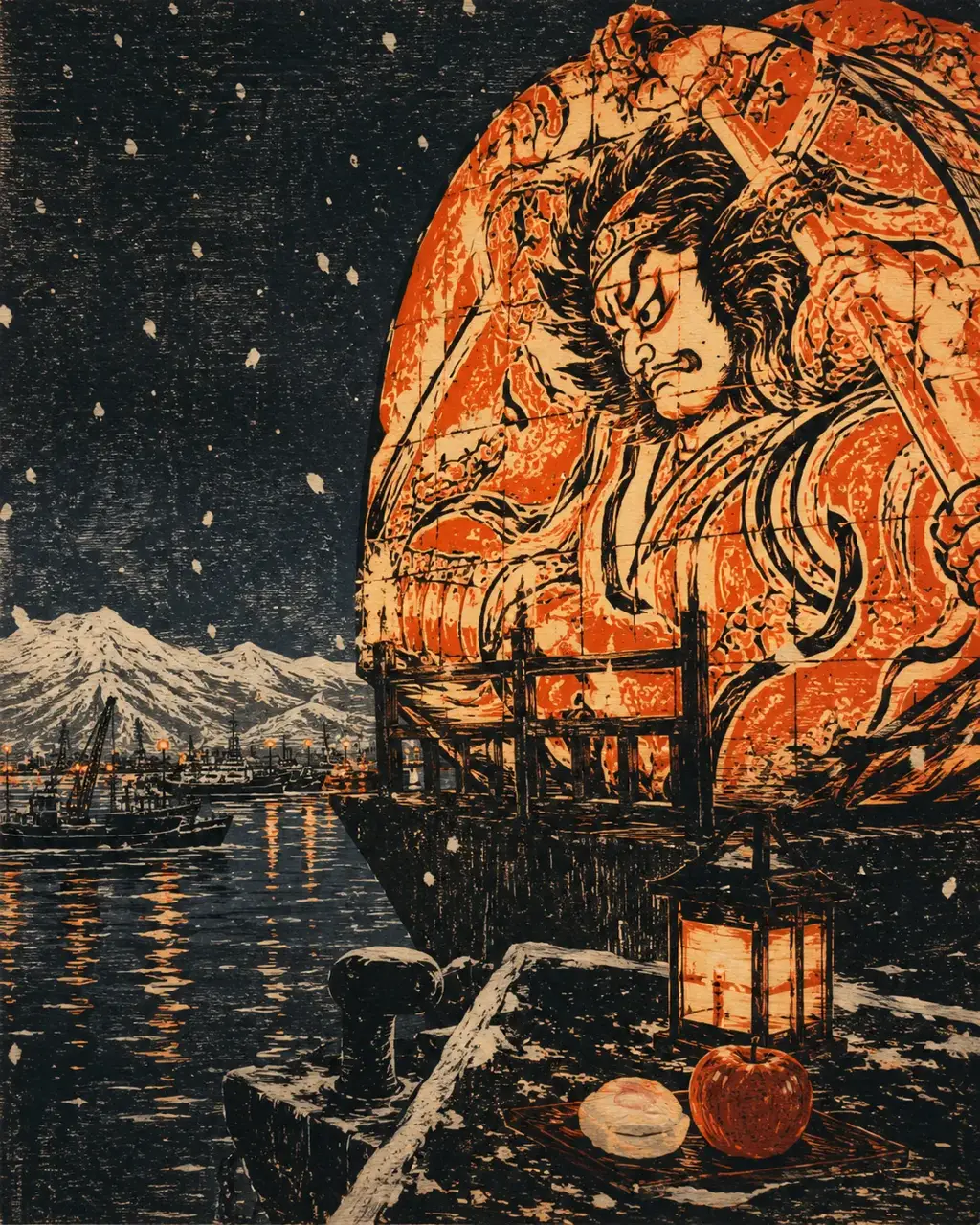
Before any colour goes on an Aomori Nebuta float, paraffin wax is brushed along the ink lines. The wax keeps neighbouring colours from bleeding into each other, and once the bulbs inside are switched on it also makes the float look brighter.
The work before the wax is long, and next year's float is often started as soon as the festival ends. Wooden beams make the skeleton and wire shapes the warriors and demons over it. Light bulbs go inside, then sheets of washi are cut and pasted over the wire, and the outlines are drawn on with a brush and sumi ink. From mid-May the parts move to Rasse Land, a group of large tented workshops, and lifting the finished figure onto its wheeled base takes about fifty people.
Between festivals, floats are kept at Nebuta Museum Wa Rasse beside the station. These are real floats from earlier years' parades, and visitors can get close enough to see the brushwork on the paper.
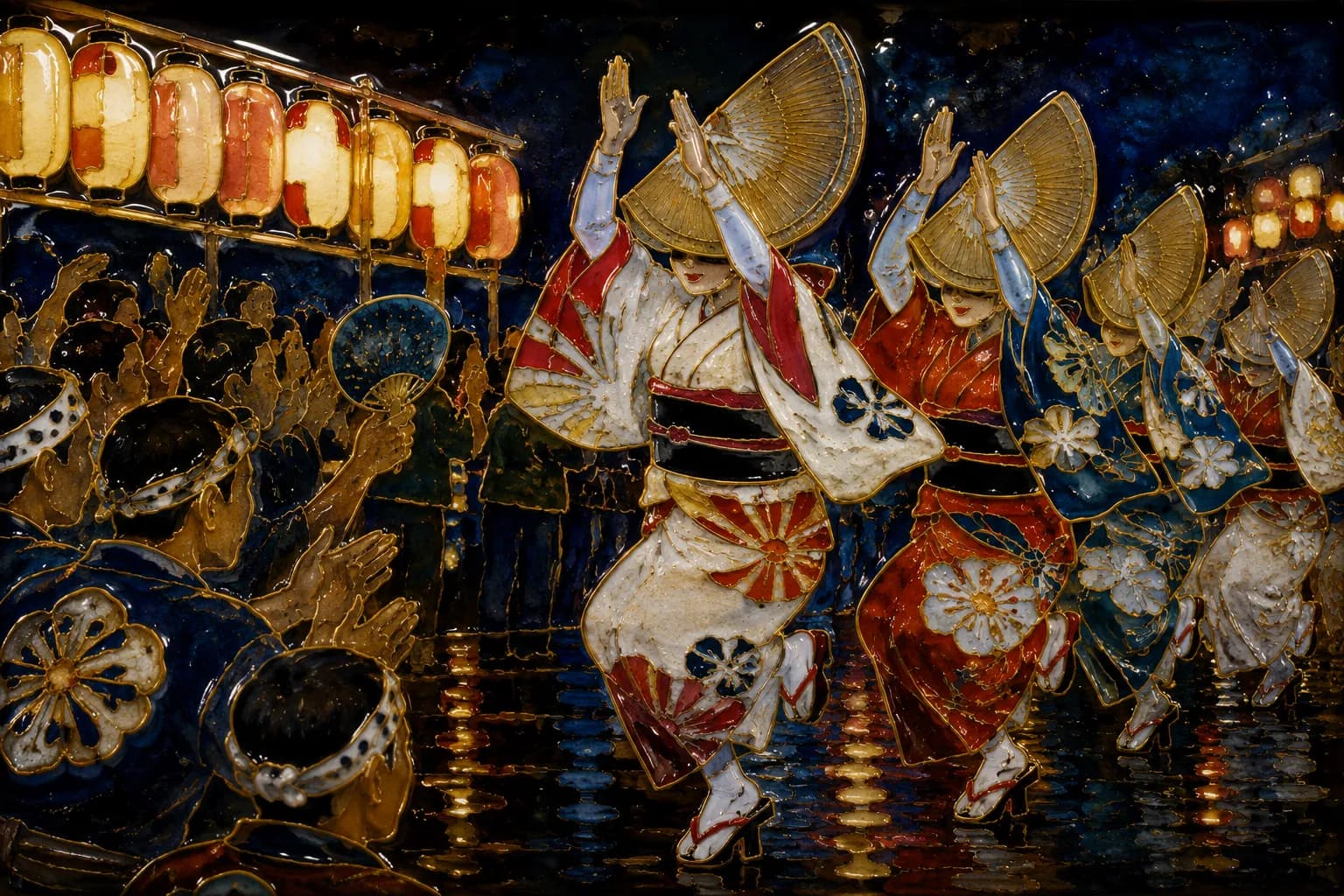
The festival itself runs from 2 to 7 August. After dark, huge floats lit from inside move through the streets. Taiko drummers follow, flutes and small hand cymbals repeat the same tune, and dancers called haneto, in yukata and flowered hats, jump and shout 'Rassera'.
Aomori sits on Mutsu Bay at the northern tip of Honshu. Until the Seikan Tunnel opened in 1988, ferries to Hakodate in Hokkaido left from here, and one of them, the Hakkoda Maru, is moored beside the station as a memorial ship open to visitors.
Tickets and transport you can book
These are affiliate links: if you book through them, VoucherData may earn a commission. You pay the same price.
Tohoku & southern Hokkaido
JR Tohoku-South Hokkaido Rail Pass
For trips that combine Aomori's Nebuta with travel across Tohoku; shinkansen included. Open to non-Japanese passport holders. A paper exchange voucher is mailed to you; the order email alone cannot be exchanged.
See plans
Sources