Ranger-led dragon walks and a cap of 1,000 visitors a day
Related guide: Komodo National Park
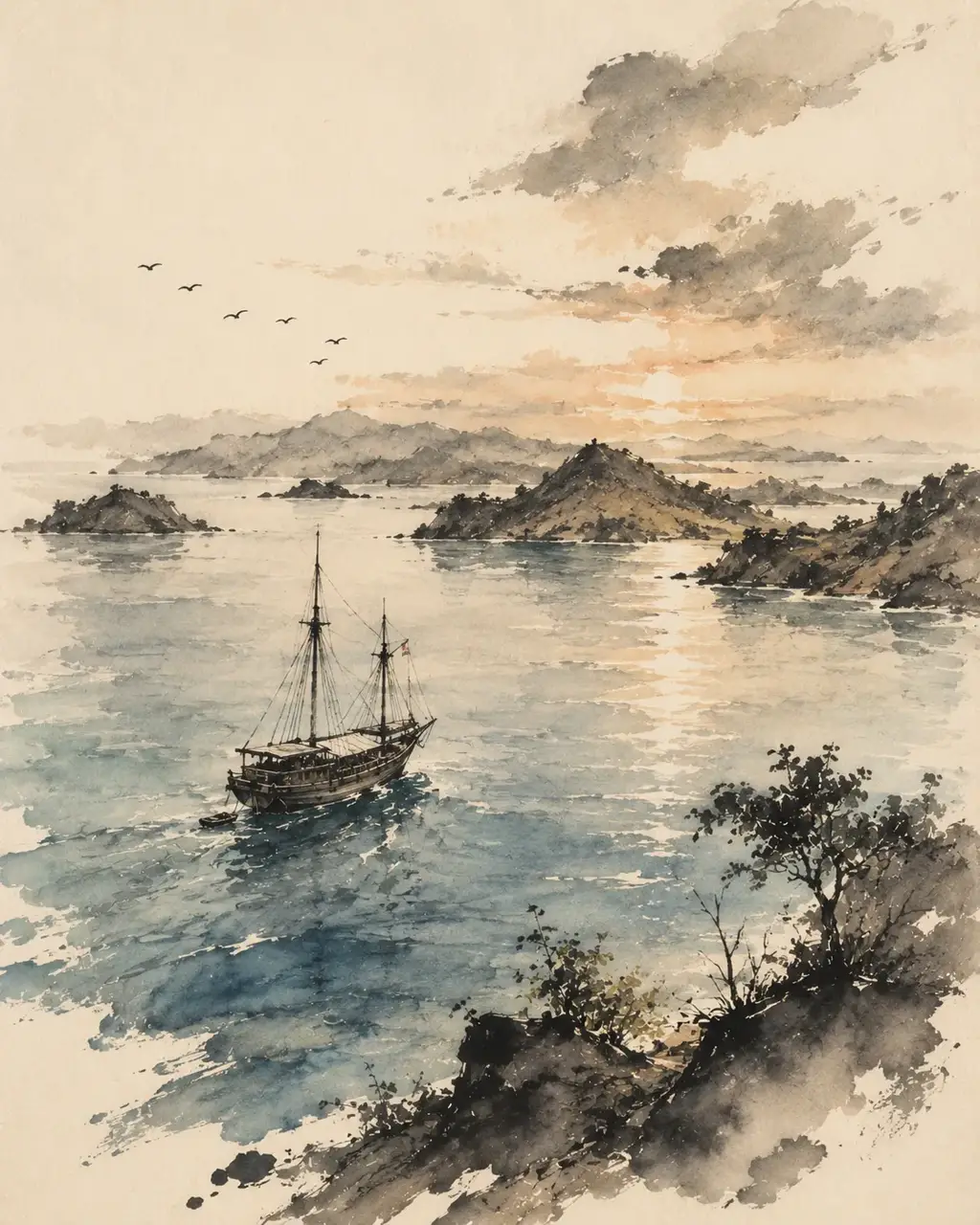
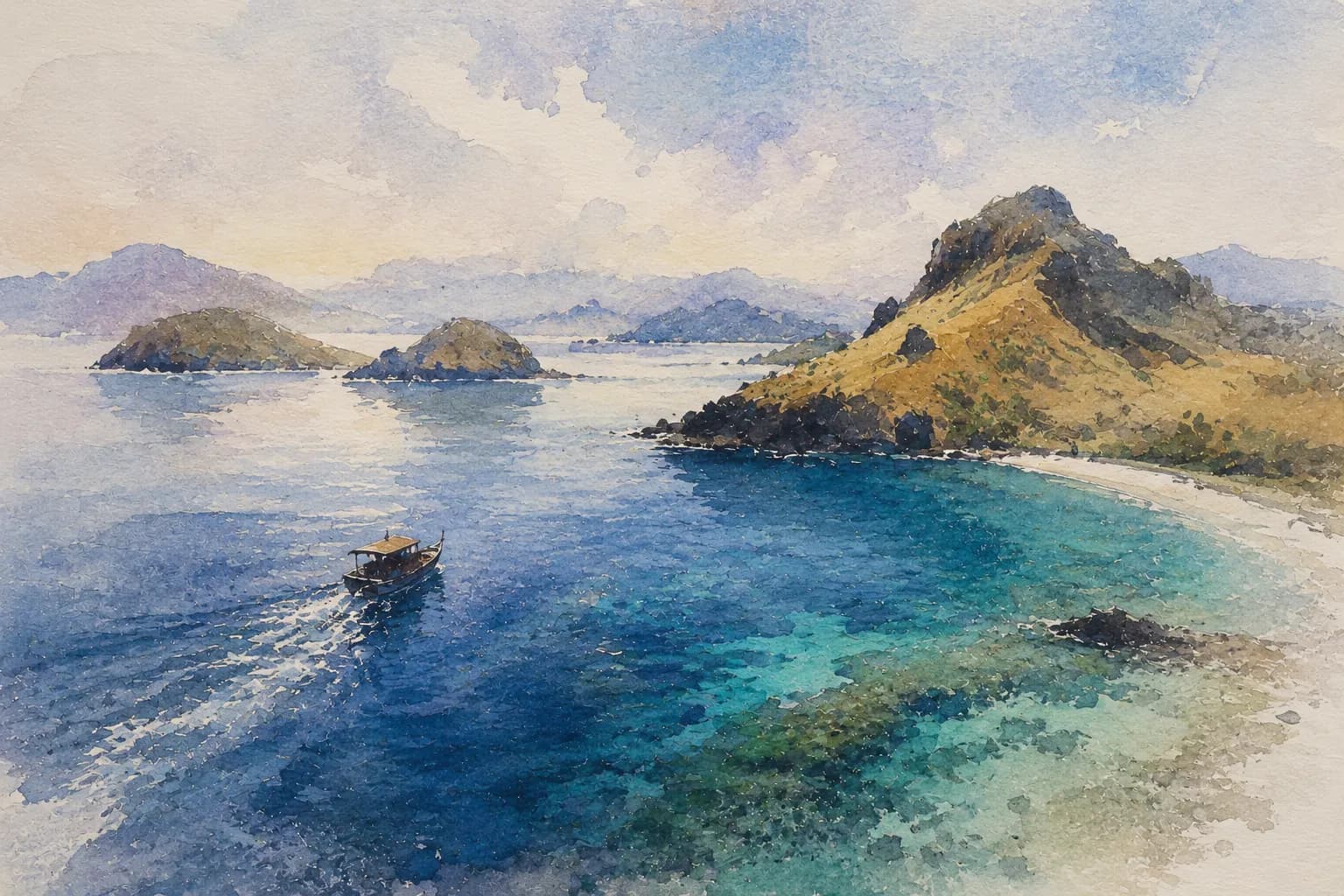
Komodo National Park is a stretch of sea off western Flores whose main islands are Komodo, Rinca and Padar, and most tour boats leave from the harbour at Labuan Bajo. Since 1 April 2026 the park has admitted at most 1,000 visitors a day, after a trial from January to March.
The park was created to protect the Komodo dragon, the largest living lizard. The dragons are not confined to it. An Indonesian government estimate from February 2026 counts about 700 more in western and northern Flores, scattered outside protected areas.
On Komodo and Rinca every trek is led by a park ranger. Boats to Rinca dock at Loh Buaya pier, and from there the group follows the ranger along set trails. When a dragon is near, the group stops and keeps its distance, and nobody approaches on their own.
Sunset around Labuan Bajo falls between about 17:45 and 18:15 local time (WITA, the same time zone as Taiwan). Day trips usually reach Padar in daylight, so waiting for sunset on the ridge means choosing a boat you sleep on. On Padar a stepped trail climbs the ridge to a viewpoint over three bays.
The full guide to this place
Komodo National Park: dry-season island-hopping and ranger-led dragon walks
Full guide: dates, getting there and what you can book →
Tickets and transport you can book
These are affiliate links: if you book through them, VoucherData may earn a commission. You pay the same price.
Labuan Bajo, Indonesia
Komodo full-day speedboat tour from Labuan Bajo
Hotel pick-up, about 9–11 hours, six stops in the national park by speedboat: the Padar hike, snorkeling with manta rays, and Komodo dragons. Lunch and snorkel gear included; don't book a flight the same day.
See pricesLabuan Bajo, Indonesia
Red Whale speedboat Komodo full day from Labuan Bajo
Another operator on the same speedboat route (about 9.5 hours, lunch and snorkel gear included); compare departure times and prices.
See pricesIndonesia 5G eSIM (Telkomsel, unlimited data)
Runs on Telkomsel with unlimited data. Your phone must support eSIM; full refund if cancelled before it connects.
See plans