Fukuoka: ramen at the river stalls and a city name kept by one vote
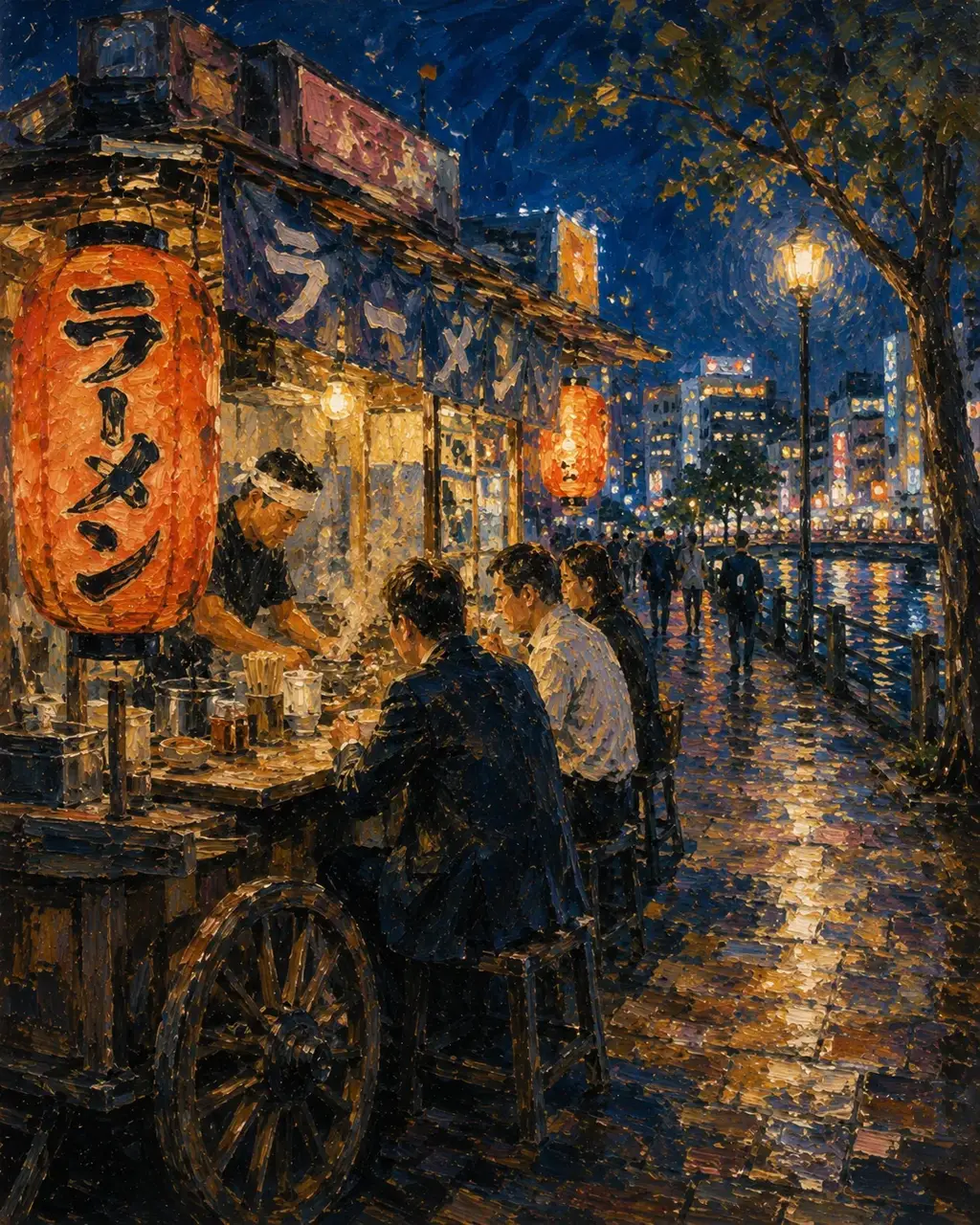
In the evening, yatai stalls set up along the Naka River in Nakasu, each a wooden cart with a single counter and room for only a handful of customers.
Fukuoka began as two towns. East of the Naka River was Hakata, a merchants' port; west of it was Fukuoka, the samurai town that grew up around the castle the Kuroda family built in the early 1600s, whose stone walls still stand in Maizuru Park. In 1889 the two became a single city named Fukuoka, and the railway station that opened on 11 December that year was called Hakata. After the merger, the Hakata faction put a motion to the city assembly to rename the city Hakata, and Fukuoka kept its name by a single vote.
In the evening, yatai stalls set up along the Naka River in Nakasu. Each one is a wooden cart with a cloth curtain and lamps, with a few stools on the pavement; the seats run along a single counter, so there is room for only a handful of customers at each. Many of them serve Hakata ramen. Hakata ramen is milky tonkotsu broth with thin, straight noodles. You can say how firm you want the noodles, and when they are gone you can order a kaedama, a second helping dropped into the soup you have left.
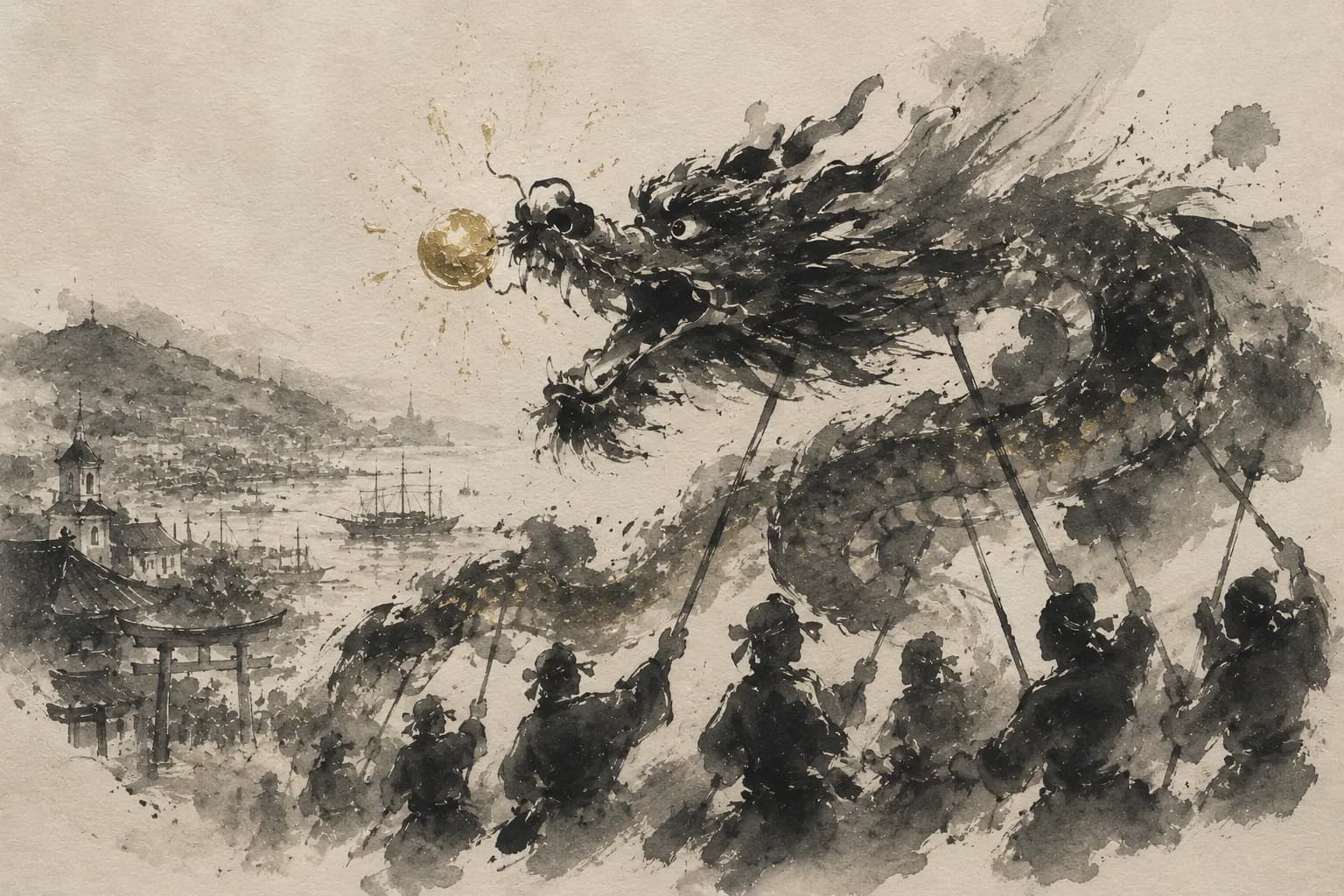
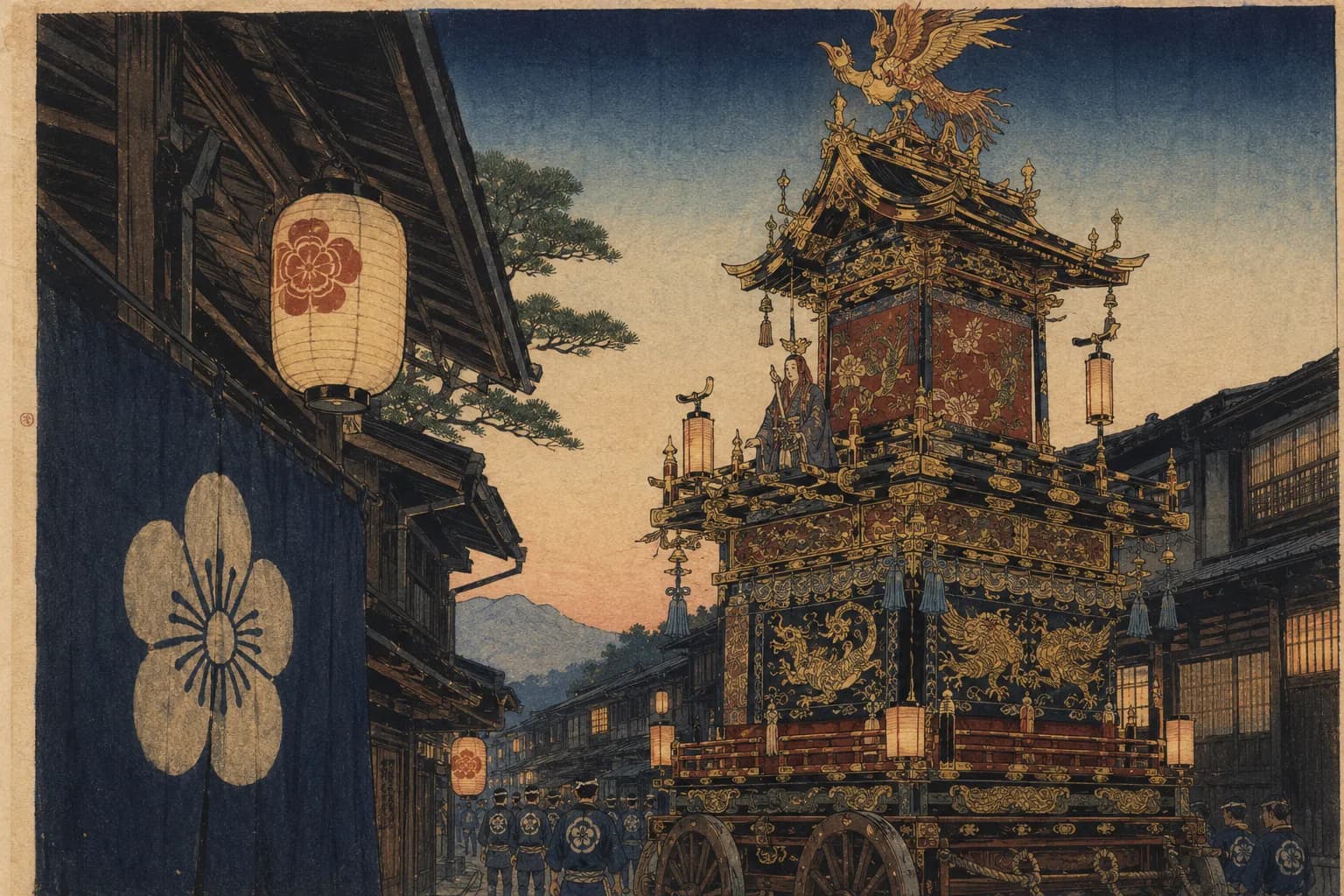
The Hakata Gion Yamakasa runs from 1 to 15 July around Kushida Shrine. Decorated floats about 13 metres tall go on display around the city. On the last morning, before dawn, the men of each district burst out of the shrine carrying a different kind of float, one built for running, while people along the route throw water over them. One decorated float stays in the shrine grounds after the festival, replaced each 1 July by a newly made one, and it can be seen there in every month except June.
Tickets and transport you can book
These are affiliate links: if you book through them, VoucherData may earn a commission. You pay the same price.
Across Japan
byFood Japan food experiences
Japanese cooking classes, market walks and restaurant bookings.
Book with byFood
Sources