Essay

Handing the whole summer over to the children

What is heard first is water and shrieking — not the frightened kind, the kind of children gone wild. In summer the Dongshan River Water Park is wholly taken over by water: fountains, slides, shallow pools, the sun beating the spray into a scattered brightness that stings the eyes. The air smells of sun-warmed concrete and grass, and of that damp, sunned smell on a child's skin. Grown-ups stand at the edge with trouser legs rolled up; the children are long since soaked, and no one means to stop anyone.

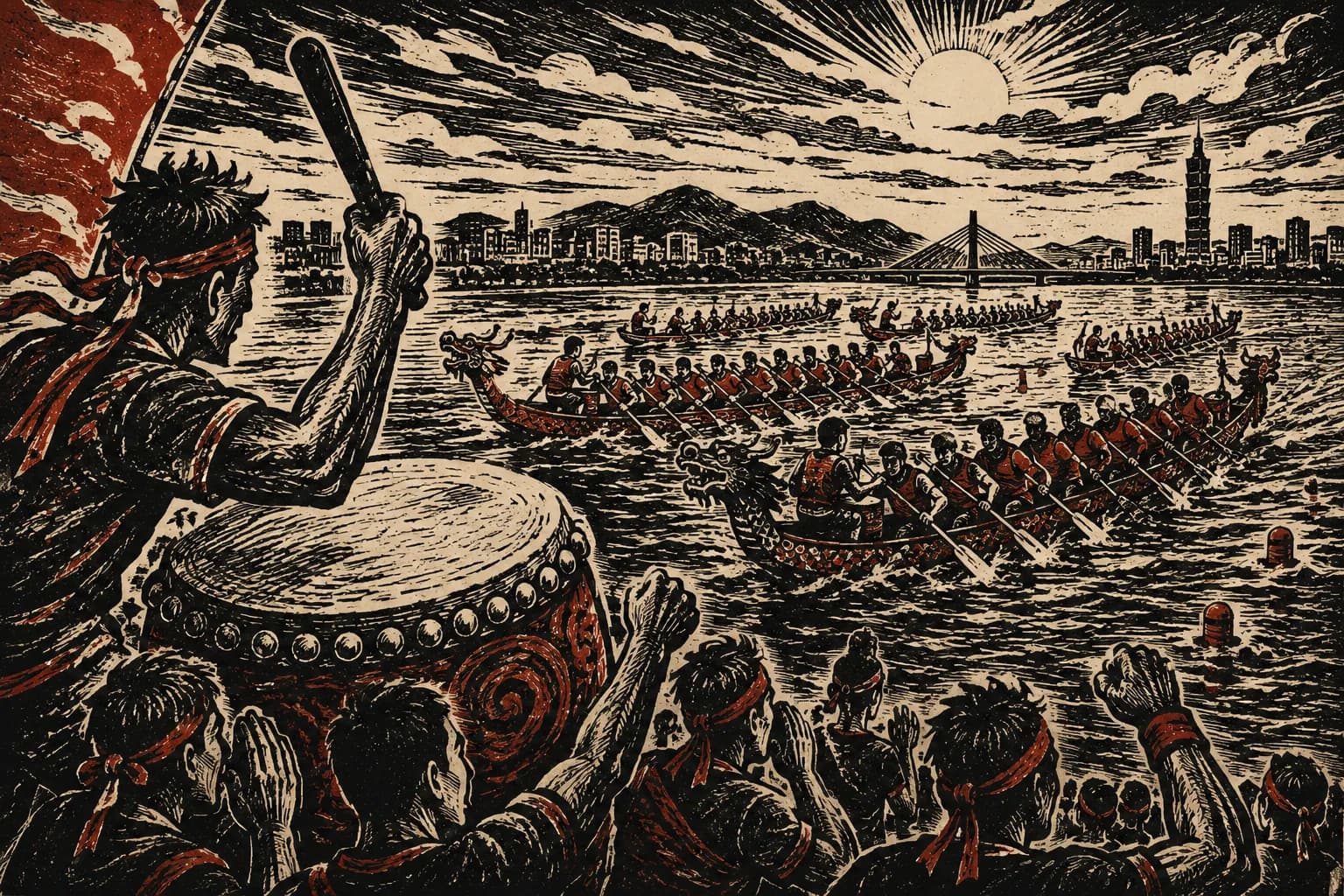
This Children's Festival has run since 1996, bringing folk troupes from around the world to the Dongshan River, built around four things — performance, exhibition, play and exchange — and it has run for thirty years now. Its design is simple, and bold: unlike so many festivals laid on for adults, it honestly hands the whole park, the whole summer, over to children.

This afternoon one might meet Eastern European dance, African drums, Austronesian song. The children sit rapt on the grass, forgetting even the ice in their hands until it has melted all over them, sticky and unminded. It does not pretend to be profound; it simply, sincerely, hands a festival to children — and that itself is more moving than many a carefully arranged "cultural experience."

That day, a son was brought here alone. The plan had been only to stand at the water's edge with trousers rolled up and watch him; within ten minutes he had pulled her into the middle of the fountains, soaked through. The jets rose and fell, and with each fall the whole field of children shrieked at once. Beside them a little girl clutched a freshly made paper windmill, afraid the water would ruin it, holding it high in one hand while playing with the other — that desperate guarding of her windmill had all the grown-ups around laughing, the son laughing too, until he choked on the spray.

At dusk they sat on the riverbank, trouser legs still wet, cool and clinging to the legs. The son had scored a windmill of his own, running off and back with it spinning endlessly in his hand, the blades cutting the sunset into flickering fragments of light. Watching his back, she suddenly remembered a summer like this from when she was very small.

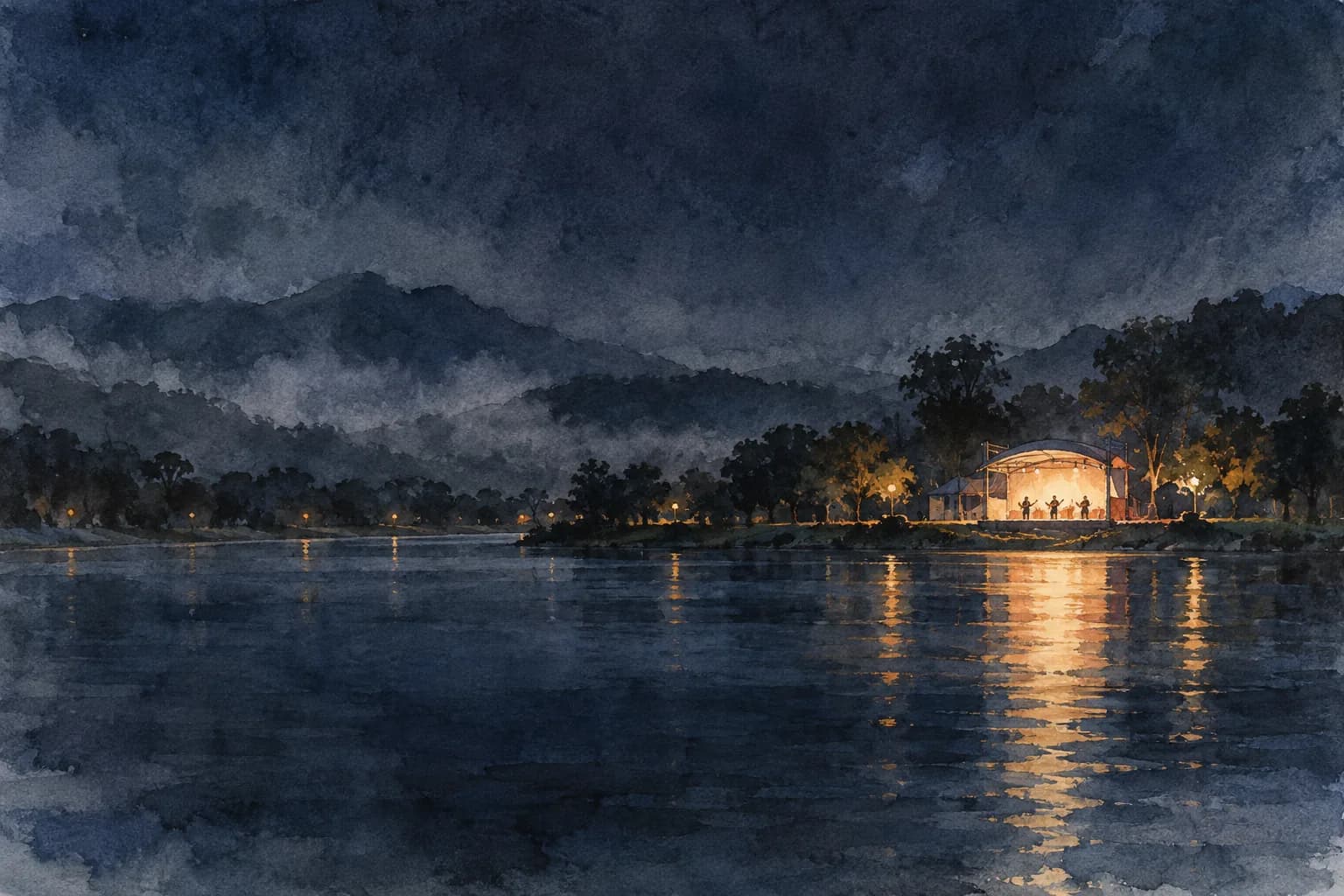
These years, it has mostly been the two of them, mother and son, leaning on each other — not easy; yet a dusk like this, when neither wants to go home, always quietly cancels out a little of the hardship. I think, bringing a child here, what you keep in the end will be this too — not any one slide, any one ride, but that dusk you both could not bear to leave, the river still murmuring softly behind you.

Essay