Jember tobacco, grown for the outside of a cigar
In 1859 George Birnie and his partners leased land around Jember to grow tobacco, and the East Java town has lived on the leaf ever since.
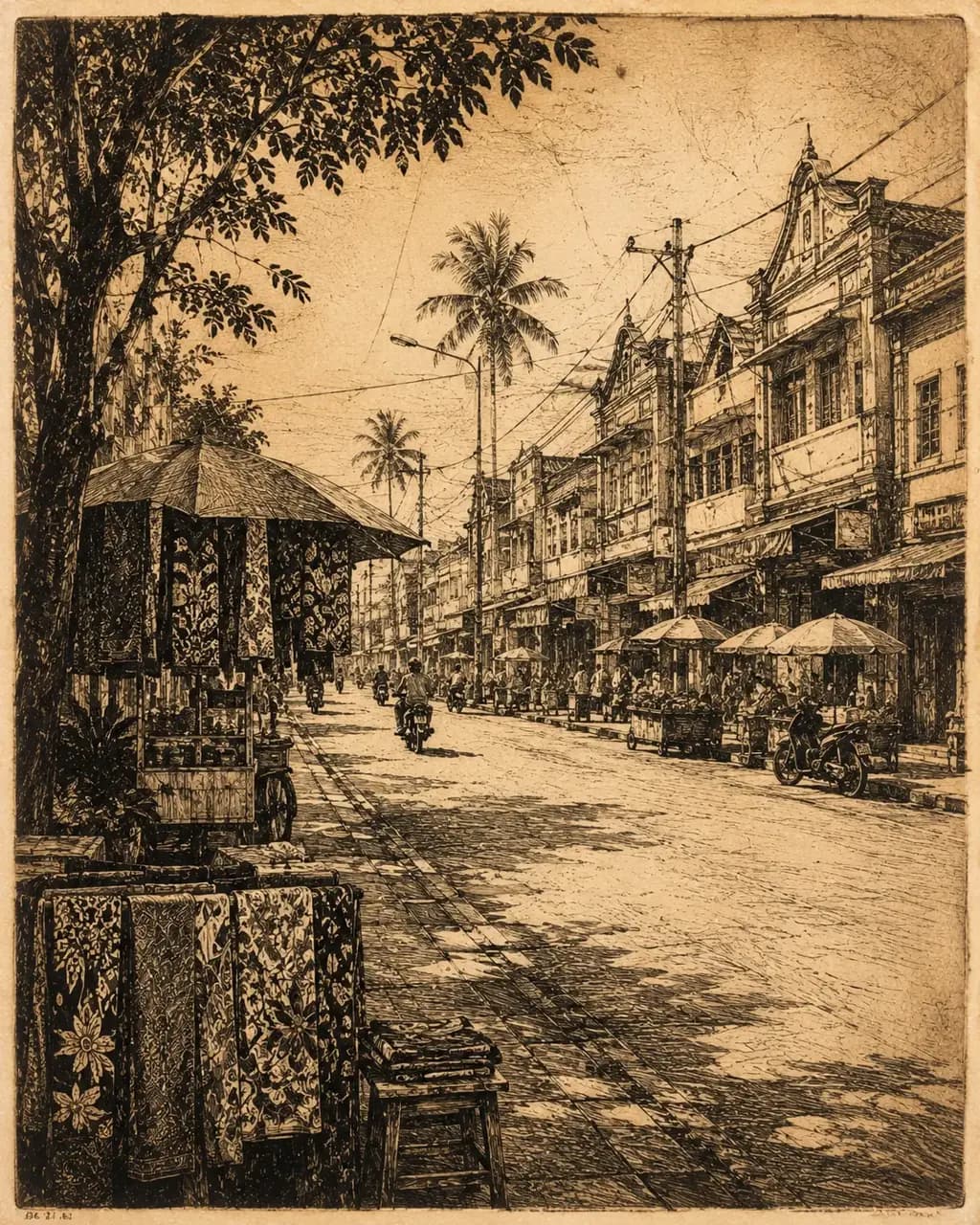
The Besuki Na-Oogst leaf grown around Jember made its name abroad as cigar wrapper, binder and filler. The town in East Java is ringed by farmland, and Indonesians call it Kota Tembakau, the tobacco town.
On 21 October 1859 George Birnie, Mathiesen and Van Gennep set up NV Landbouw Maatschappij Oud Djember and began planting tobacco on long-lease land around Jenggawah. They chose tobacco because Europe and America wanted cigar leaf, and the Dutch later brought in tobacco from Latin America to cross with Jember's local varieties.
The boom ended in the 1970s and many tobacco firms closed, but 18 tobacco exporters still operate in Jember, and the Museum Lembaga Tembakau, run by the local tobacco institute, keeps the tools and records of leaf processing.
After tobacco come coffee and cocoa. On 1 January 1911 the Dutch colonial government founded the Besoekisch Proefstation here. It later became the Indonesian Coffee and Cocoa Research Institute (Puslitkoka), which has held the national mandate for coffee and cocoa research since 1981 and runs pulpers, dryers, cocoa fermenters and quality laboratories.
Most of the town's take-home sweets start with cassava. The cassava is fermented into tape, then cooked down with sugar, milk powder, margarine and flour, poured into trays, cooled and cut. The result is suwar-suwir: it looks like dodol but is firmer and sweeter.
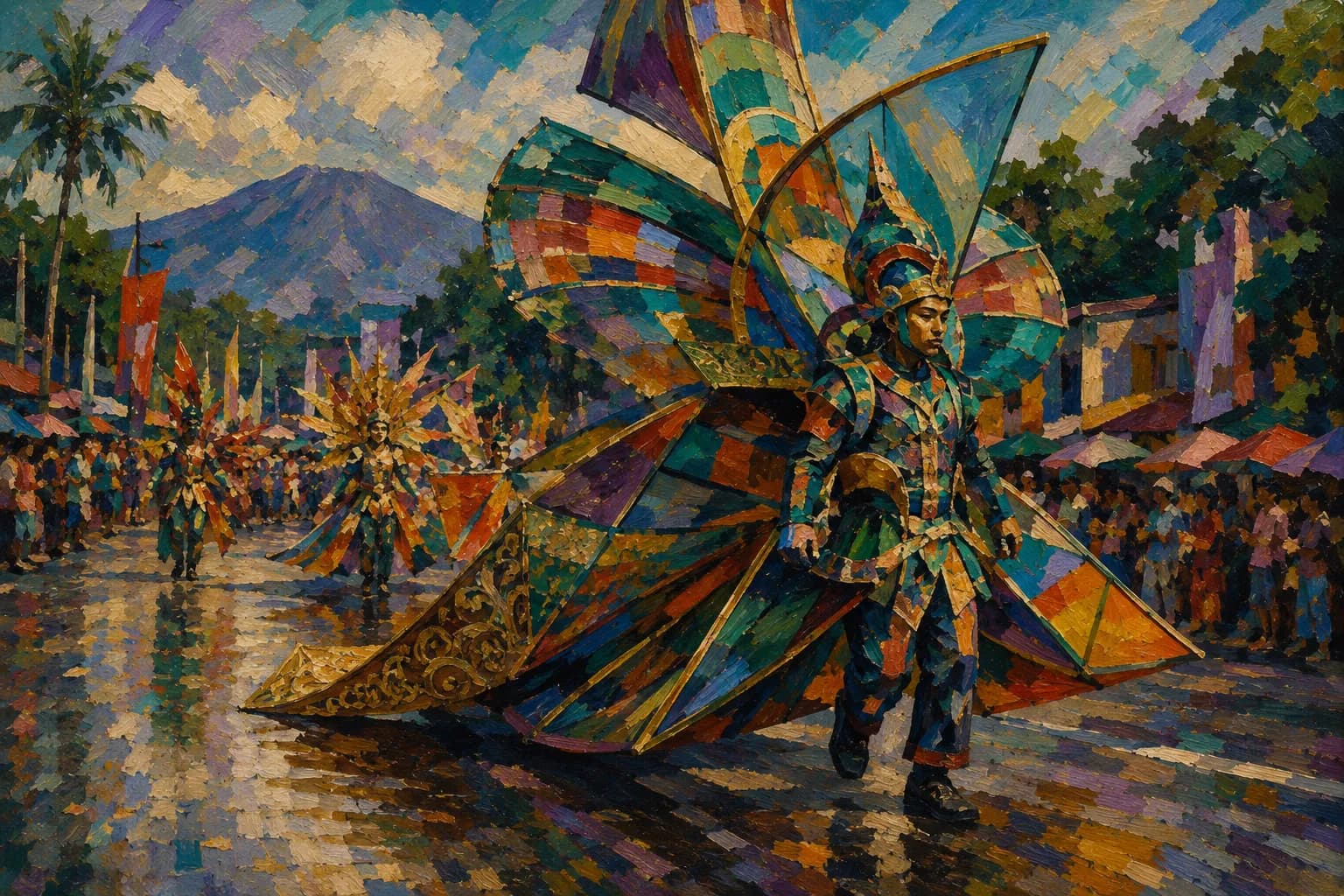
For a few days a year the main street in the centre becomes a catwalk. Dynand Fariz, a local designer, first led his costumed models onto the street on 1 January 2003, the town's founding anniversary, and the parade grew into the Jember Fashion Carnaval held each summer.
Festivals in the same city
Jember Fashion Carnaval 2027: est. July–August, a 3.6 km fashion parade through Jember, East Java
Full guide: dates, getting there and what you can book →
Sources